
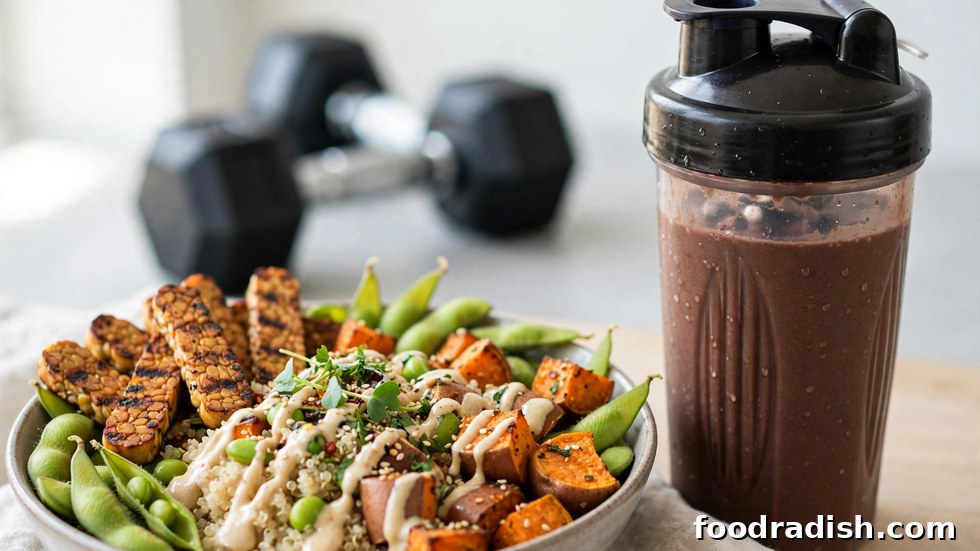
You just finished a tough workout. Your muscles are tired, slightly damaged, and ready to rebuild, but only if you give them the right fuel. For vegetarians, the post-workout meal is where many training plans quietly fall apart, because it is easy to reach for carbs and forget protein. Research shows that eating 20 to 40 grams of high-quality protein within a couple of hours after training supports muscle repair, reduces soreness, and improves recovery. The good news is that you do not need chicken or whey to do it. This guide gives you practical, delicious vegetarian post-workout meals with real protein numbers, so every session counts.
Why Post-Workout Protein Matters
Muscle Repair and Growth
Resistance training creates tiny tears in muscle fibers. Protein supplies the amino acids, especially leucine, that trigger muscle protein synthesis, the process that repairs and builds those fibers back stronger. Without enough protein after training, recovery slows and progress stalls.
The Truth About the “Anabolic Window”
You may have heard you must eat protein within 30 minutes of training. The science is more relaxed than that. Total daily protein intake matters far more than exact timing, but eating a protein-rich meal within 1 to 2 hours after your workout is still a smart, practical habit, especially if you train fasted or your last meal was hours ago.
Carbs Help Too
Protein gets the spotlight, but carbohydrates replenish glycogen, the fuel stored in your muscles. A post-workout meal with both protein and carbs, like a paneer wrap or lentil bowl, recovers you faster than protein alone.
How Much Protein Do You Need After a Workout?
For most people, 20 to 40 grams of protein per post-workout meal is the sweet spot. Larger or very muscular individuals benefit from the higher end. Here is a quick reference:
| Body Weight | Post-Workout Protein Target | Example Meal |
|---|---|---|
| 50 to 60 kg | 20 to 25 g | Greek yogurt bowl with granola |
| 60 to 75 kg | 25 to 30 g | Paneer bhurji wrap |
| 75 to 90 kg | 30 to 40 g | Tofu stir-fry with quinoa |
10 High-Protein Post-Workout Meals for Vegetarians
- Paneer bhurji whole wheat wrap (120 g paneer, veggies, mint chutney) — 28 g protein. Fast, portable, and endlessly customizable.
- Greek yogurt power bowl (250 g Greek yogurt, banana, honey, 30 g granola) — 28 g protein. Perfect when you want something cold and quick.
- Tofu fried rice (150 g tofu, brown rice, peas, soy sauce) — 22 g protein. A complete recovery meal in one pan.
- Masoor dal with quinoa (1.5 cups dal, 1 cup cooked quinoa) — 26 g protein. Comfort food that happens to be a recovery powerhouse.
- Chickpea and paneer salad bowl (1 cup chickpeas, 80 g paneer, tahini dressing) — 28 g protein. Great for meal prep.
- Soya chunk curry with rice (50 g dry soya chunks, 1 cup rice) — 30 g protein. The cheapest high-protein recovery meal on this list.
- Cottage cheese toast stack (150 g low-fat paneer mashed on 2 whole grain toasts with tomato) — 26 g protein. Ready in 10 minutes.
- Tempeh Buddha bowl (120 g tempeh, sweet potato, kale, peanut sauce) — 26 g protein. Balanced, colorful, and filling.
- Moong dal chilla with paneer stuffing (3 chillas, 80 g paneer) — 26 g protein. An Indian classic built for recovery.
- Protein smoothie (300 ml milk, 1 banana, 2 tbsp peanut butter, 1 scoop plant protein powder) — 30 g protein. Ideal when you cannot face solid food.
Best Vegetarian Protein Sources for Recovery
| Food | Serving | Protein | Leucine (approx.) |
|---|---|---|---|
| Whey or plant protein powder | 1 scoop (30 g) | 24 g | 2.5 g |
| Low-fat paneer | 120 g | 22 g | 2.0 g |
| Greek yogurt | 250 g | 23 g | 2.1 g |
| Soya chunks (dry) | 40 g | 21 g | 1.7 g |
| Tempeh | 120 g | 23 g | 1.6 g |
| Tofu (firm) | 150 g | 12 g | 1.0 g |
Leucine is the key amino acid that switches on muscle building. Dairy, soy, and protein powders are rich in it, which is why they make such effective recovery foods.
What to Avoid After Training
- Skipping the meal entirely. Training fasted and then waiting 4 to 5 hours to eat slows recovery noticeably.
- Protein-only with zero carbs. After hard sessions, add rice, fruit, or bread to refill glycogen.
- High-fat heavy meals. Deep-fried snacks and very fatty curries digest slowly and can leave you sluggish.
- Alcohol. It impairs muscle protein synthesis and dehydrates you, the opposite of recovery.
Do Not Forget Sleep and Hydration
Nutrition gets the attention, but sleep is when growth hormone peaks and muscle repair accelerates. Athletes who sleep under 7 hours recover measurably slower and feel sorer for longer. Pair your post-workout meal with 7 to 9 hours of sleep and steady hydration through the day, and you will bounce back faster from every session.
Quick Recovery Tips
- Keep frozen paneer, tofu, and soya chunks stocked so a post-workout meal is never more than 20 minutes away.
- Prep a big batch of dal or chickpeas on Sunday for grab-and-go recovery bowls all week.
- Drink 500 to 750 ml of water with your meal; dehydration worsens muscle soreness.
- If mornings are rushed, a protein smoothie with milk, banana, and peanut butter covers all bases.
Key Takeaways
- Eat 20 to 40 grams of protein within 1 to 2 hours after training to maximize muscle repair and recovery.
- Paneer, Greek yogurt, tofu, tempeh, soya chunks, and lentils are all excellent vegetarian recovery proteins.
- Pair protein with carbohydrates like rice, quinoa, or fruit to replenish muscle glycogen.
- Total daily protein matters most, so make the post-workout meal part of a consistently high-protein day.
Conclusion
Great workouts are built in the gym, but great recoveries are built in the kitchen. With paneer wraps, dal bowls, tofu stir-fries, and Greek yogurt on your side, you have everything you need to recover like an athlete on a fully vegetarian diet. Pick two or three meals from this list, keep the ingredients stocked, and make your post-workout meal automatic. Train hard, eat smart, and watch your progress compound week after week. Ready to level up? Start with tomorrow’s session and a recovery meal planned in advance.