
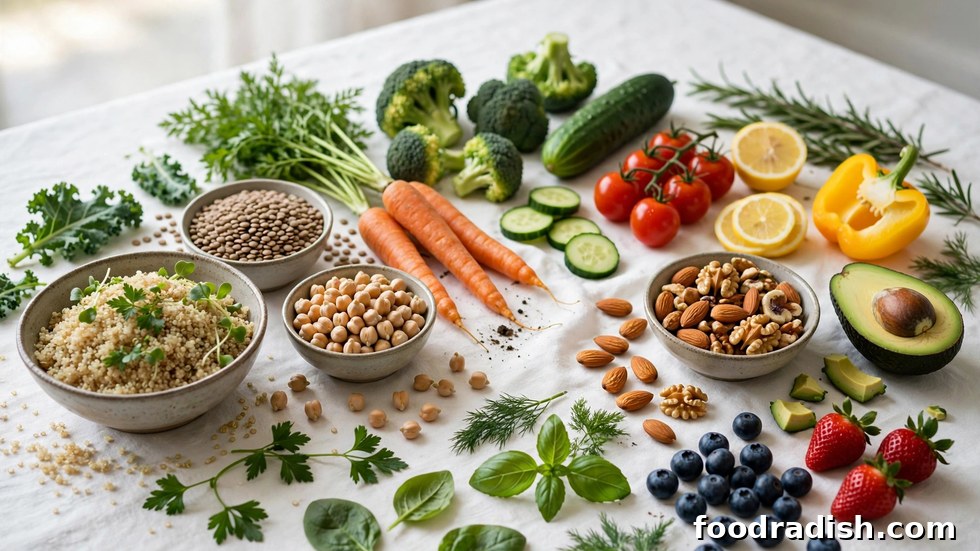
Clean eating is one of those phrases everyone uses and few people define. Strip away the marketing, and it is refreshingly simple: eat mostly whole, minimally processed foods, and you will naturally eat better. For vegetarians chasing high protein, clean eating is a perfect match, because the best plant proteins, lentils, beans, tofu, nuts, and dairy, are already whole foods. This beginner-friendly guide explains what clean eating really means, which high-protein foods to build your diet around, and how to transition without overwhelm. No juice cleanses, no forbidden food lists, just practical steps toward eating cleaner and stronger.
What Clean Eating Actually Means
Clean eating is not a diet with strict rules. It is a flexible approach centered on whole foods in their most natural state. An apple instead of apple juice. Brown rice instead of a packaged rice mix. Homemade dal instead of a ready meal loaded with preservatives. The focus is on ingredient quality and minimal processing, not on perfection. For protein, this philosophy is liberating: instead of relying on heavily processed protein bars and powders, you get your protein from real foods that also deliver fiber, vitamins, and minerals.
The 7 Principles of Clean Eating
- Choose whole over processed. If it grew, swam, or was minimally transformed, it qualifies.
- Read ingredient lists. Fewer ingredients you recognize is better. Skip products with long chemical names.
- Cook more at home. Home cooking gives you complete control over oil, salt, and sugar.
- Eat the rainbow. Different colored vegetables deliver different antioxidants and nutrients.
- Limit added sugars. This is the single highest-impact clean eating change for most people.
- Stay hydrated with water. Replace sodas and sugary drinks with water, herbal tea, or sparkling water.
- Practice the 80/20 rule. Eat clean 80 percent of the time and enjoy life the other 20 percent, guilt-free.
Clean High-Protein Vegetarian Foods
| Food | Serving | Protein | Why It Is “Clean” |
|---|---|---|---|
| Lentils (cooked) | 1 cup | 18 g | Single ingredient, fiber-rich |
| Chickpeas (cooked) | 1 cup | 15 g | Single ingredient, versatile |
| Tofu | 150 g | 12 g | Minimally processed soy |
| Greek yogurt (plain) | 200 g | 20 g | Just milk and cultures |
| Paneer (homemade) | 100 g | 18 g | Milk plus lemon juice |
| Quinoa (cooked) | 1 cup | 8 g | Whole grain, complete protein |
| Almonds | 30 g | 6 g | Raw, unsalted |
| Hemp seeds | 30 g | 10 g | Unprocessed, nutrient-dense |
Foods to Limit (Not Fear)
- Sugary drinks and packaged juices: liquid sugar with zero nutrition
- Highly processed veggie meats: long ingredient lists with starches and additives
- Refined snacks: chips, cookies, and pastries made with white flour and palm oil
- Sweetened yogurts: choose plain and add your own fruit
- Deep-fried foods: occasional is fine, daily is not
Notice what is not on the list: carbs, fats, or any whole food group. Clean eating is about quality, not elimination.
A useful rule of thumb: shop the perimeter of the grocery store, where fresh produce, dairy, and bulk bins live, and venture into the center aisles only for staples like oats, canned beans, and spices. Most ultra-processed foods hide in those middle aisles.
A Sample Clean Eating Day (95 g Protein)
- Breakfast: Overnight oats with Greek yogurt, chia seeds, and berries — 25 g protein
- Lunch: Big lentil and roasted vegetable salad with tahini dressing — 24 g protein
- Snack: Apple slices with natural peanut butter — 10 g protein
- Dinner: Tofu stir-fry with brown rice and steamed broccoli — 26 g protein
- Evening: Warm turmeric milk — 8 g protein
Prep the lentil salad and overnight oats on Sunday evening and your first three days are practically automatic.
How to Start: A 2-Week Transition Plan
Week 1: Observe and Swap
Do not change everything at once. This week, just notice what you eat and make one clean swap per day: soda for sparkling water, white bread for whole grain, sweetened yogurt for plain. Cook two homemade dinners instead of ordering in.
Week 2: Build the Habit
Now meal prep one protein staple (a pot of lentils or chickpeas) and one grain each Sunday. Keep cut vegetables and hummus visible in the fridge. Aim for protein at every meal using the foods in the table above. By day 14, clean eating starts feeling normal rather than effortful.
5 Beginner Mistakes to Avoid
Most beginners stumble in the same predictable ways. Watch for these:
- Going 100 percent overnight. Radical overhauls last about a week. Change one meal at a time and let the new normal settle before adding more.
- Ignoring protein while eating “clean.” Salads and fruit are clean but protein-poor. Every clean meal still needs a protein anchor like lentils, tofu, or yogurt.
- Replacing sugar with “healthy” sweets. Honey, jaggery, and dates are marginally better than white sugar, but your body treats them nearly identically. Keep all sweeteners modest.
- Buying every superfood. You do not need goji berries or maca powder. Affordable staples like lentils, oats, and peanuts outperform exotic imports on nutrition per dollar.
- Skipping meal prep. Willpower fades by 7 p.m. A fridge stocked with cooked lentils, chopped vegetables, and hummus makes the clean choice the easy choice.
Key Takeaways
- Clean eating means choosing whole, minimally processed foods, not following strict rules or eliminating food groups.
- Vegetarian clean proteins include lentils, chickpeas, tofu, Greek yogurt, paneer, quinoa, nuts, and seeds.
- Read ingredient lists, cook more at home, and limit added sugars for the biggest impact.
- Transition gradually over two weeks with one swap per day, and follow the 80/20 rule to stay sane.
Conclusion
Clean eating is a direction, not a destination. Every whole-food meal is a step toward better energy, easier weight management, and stronger nutrition. Start small: pick one clean swap for tomorrow, then another the day after. Within a month, you will have rebuilt your plate around real food without ever feeling deprived. Your body already knows how to thrive on real food; you just have to give it the chance. Ready to begin? Open your kitchen, pick the most processed item in your pantry, and find its whole-food replacement today.
Remember, consistency beats perfection. Start with one small change from this guide today, and let the results build your momentum toward a stronger, healthier you.
1 thought on “High-Protein Clean Eating Guide for Beginners”