
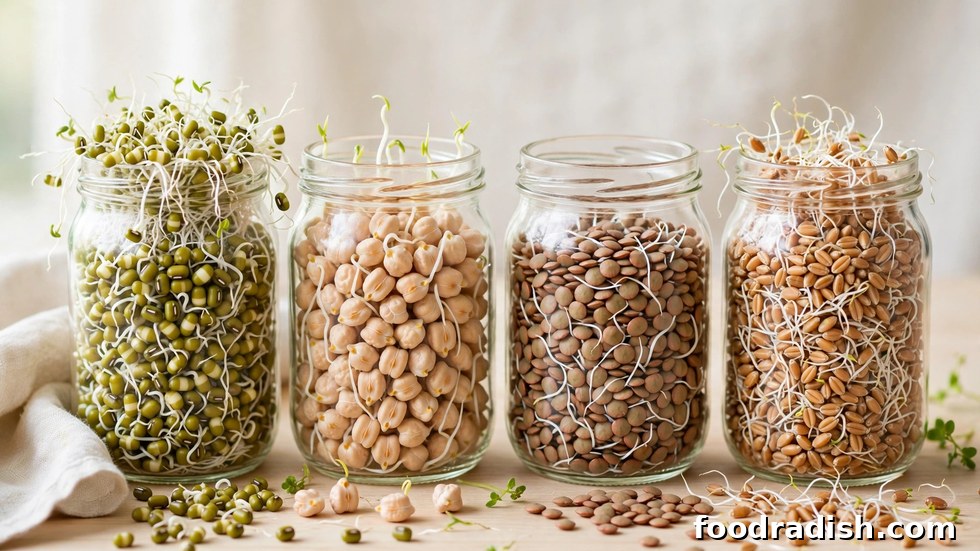
Sprouting is one of the oldest food preparation techniques in the world — and modern nutrition science confirms it is also one of the smartest. When you sprout grains and legumes, you wake the seed up: enzymes activate, starches begin to break down, and the nutritional profile shifts in ways that make protein easier to digest and minerals easier to absorb.
For vegetarians, who often rely on legumes and grains as primary protein sources, sprouting can meaningfully increase the amount of protein your body actually uses from the same food. This guide explains the science behind sprouting, which foods benefit most, and exactly how to sprout safely at home.
What Happens When a Seed Sprouts?
A dry seed is dormant — its nutrients are locked away, protected by compounds like phytic acid and enzyme inhibitors that help it survive until conditions are right for growth. When you add water and warmth, germination begins. The seed releases enzymes such as amylase and protease that start breaking down stored starches and proteins into simpler, more digestible forms.
This process does not magically create huge amounts of new protein, but it does three important things: it reduces antinutrients that block mineral and protein absorption, it partially pre-digests proteins into peptides and free amino acids, and it increases vitamin content — particularly B vitamins and vitamin C. The net effect is that your body extracts more nutrition from every bite.
How Sprouting Improves Protein Quality
Research shows that sprouting legumes such as mung beans, lentils, chickpeas, and soybeans can increase their protein digestibility by a significant margin. Studies on sprouted legumes have reported improvements in in-vitro protein digestibility of roughly 10–20% compared to their unsprouted counterparts, largely because protease enzymes break down complex storage proteins and because antinutrients like trypsin inhibitors — which interfere with protein digestion — are reduced.
Sprouting also improves the amino acid balance. Germination tends to increase levels of certain essential amino acids, including lysine, which is often the limiting amino acid in grains. This is one reason sprouted grain breads (like Ezekiel-style breads) have a better protein quality score than breads made from unsprouted flour.
| Food (per 100 g, cooked) | Protein | Key Sprouting Benefit |
|---|---|---|
| Mung beans (sprouted) | ~3 g (per 100 g fresh sprouts) | Vitamin C rises sharply; trypsin inhibitors fall |
| Lentils (sprouted) | ~9 g | Phytic acid reduced by up to 50%; iron more absorbable |
| Chickpeas (sprouted) | ~9 g | Flatulence-causing oligosaccharides decrease |
| Quinoa (sprouted) | ~4.4 g | Saponins washed away; B-vitamin content increases |
| Soybeans (sprouted) | ~13 g | Protein digestibility improves; vitamin C appears |
Note that fresh sprouts are mostly water, so their protein per 100 grams looks low — but per dry-weight equivalent, sprouted legumes hold their protein while becoming easier to digest. When you cook sprouted lentils or chickpeas, you still get the full ~9 grams of protein per 100 grams cooked, with better absorption.
Best Grains and Legumes to Sprout
Mung Beans
The classic sprouting bean — fast (ready in 2–3 days), crunchy, mildly sweet, and excellent raw in salads or lightly stir-fried. Mung sprouts are a staple across Asia for good reason: they are easy, reliable, and nutritious.
Lentils (Green, Brown, and Red)
Lentils sprout in 2–3 days and are best lightly cooked after sprouting. Sprouted lentils make outstanding salads, chaats, and curries, with noticeably less bloating than unsprouted lentils for many people.
Chickpeas
Chickpeas take 3–4 days to sprout a short tail. They must be cooked after sprouting (never eat raw sprouted chickpeas in quantity). Sprouted chickpea hummus and curries are creamier and easier on digestion.
Quinoa, Buckwheat, and Fenugreek
Quinoa sprouts in just 1–2 days and cooks faster once sprouted. Buckwheat groats make crunchy raw sprouts for salads. Fenugreek (methi) seeds sprout into slightly bitter, intensely nutritious greens prized in Indian cooking.
How to Sprout at Home: Step by Step
- Rinse and soak. Rinse ½ cup of whole beans, lentils, or grains. Soak in plenty of clean water for 8–12 hours (4–6 hours for smaller seeds).
- Drain well. Drain completely — standing water causes rot. Transfer to a clean jar, sprouting tray, or a damp muslin cloth tied loosely.
- Rinse twice daily. Rinse with fresh water and drain thoroughly every 8–12 hours. Keep the jar tilted so water drains out, in a spot with indirect light and good airflow.
- Harvest. Most legumes are ready in 2–4 days when the tail is about the length of the seed. Give a final rinse before eating.
- Store safely. Refrigerate in a breathable container and use within 2–3 days.
Sprouting Safety: What You Must Know
The warm, moist conditions that sprouts love are also loved by bacteria such as Salmonella and E. coli. Food safety agencies recommend that young children, pregnant women, older adults, and anyone immunocompromised cook sprouts before eating rather than eating them raw. Everyone else should follow strict hygiene: use clean equipment, rinse with potable water, drain thoroughly, refrigerate promptly, and discard any sprouts that smell off or look slimy.
Buy sprouting seeds from reputable sources — seeds sold for planting may be treated with chemicals not meant for consumption. And remember that kidney beans should never be sprouted and eaten raw; their lectins (phytohaemagglutinin) require thorough boiling to neutralize.
Key Takeaways
- Sprouting activates enzymes that partially pre-digest proteins and reduce antinutrients like phytic acid and trypsin inhibitors.
- Protein digestibility can improve by roughly 10–20%, and mineral absorption (iron, zinc) increases.
- Mung beans, lentils, chickpeas, and quinoa are the easiest and most rewarding foods to sprout at home.
- Soak 8–12 hours, rinse twice daily, harvest in 2–4 days, and refrigerate promptly.
- Cook sprouts if you are pregnant, elderly, immunocompromised, or feeding young children; always practice strict hygiene.
Final Thoughts
Sprouting is one of the simplest, cheapest upgrades you can make to a vegetarian diet. No special equipment, no expensive ingredients — just water, time, and a jar. The result is protein your body can use more efficiently, more vitamins, and fewer digestive complaints.
Start this week: soak half a cup of mung beans or green lentils tonight, and in two to three days you will have your first batch of fresh sprouts. Toss them into salads, chaats, or a light stir-fry — and notice how good real, living food can taste.
1 thought on “Sprouted Grains & Legumes: Boosting Protein Digestibility Naturally”